One-Child
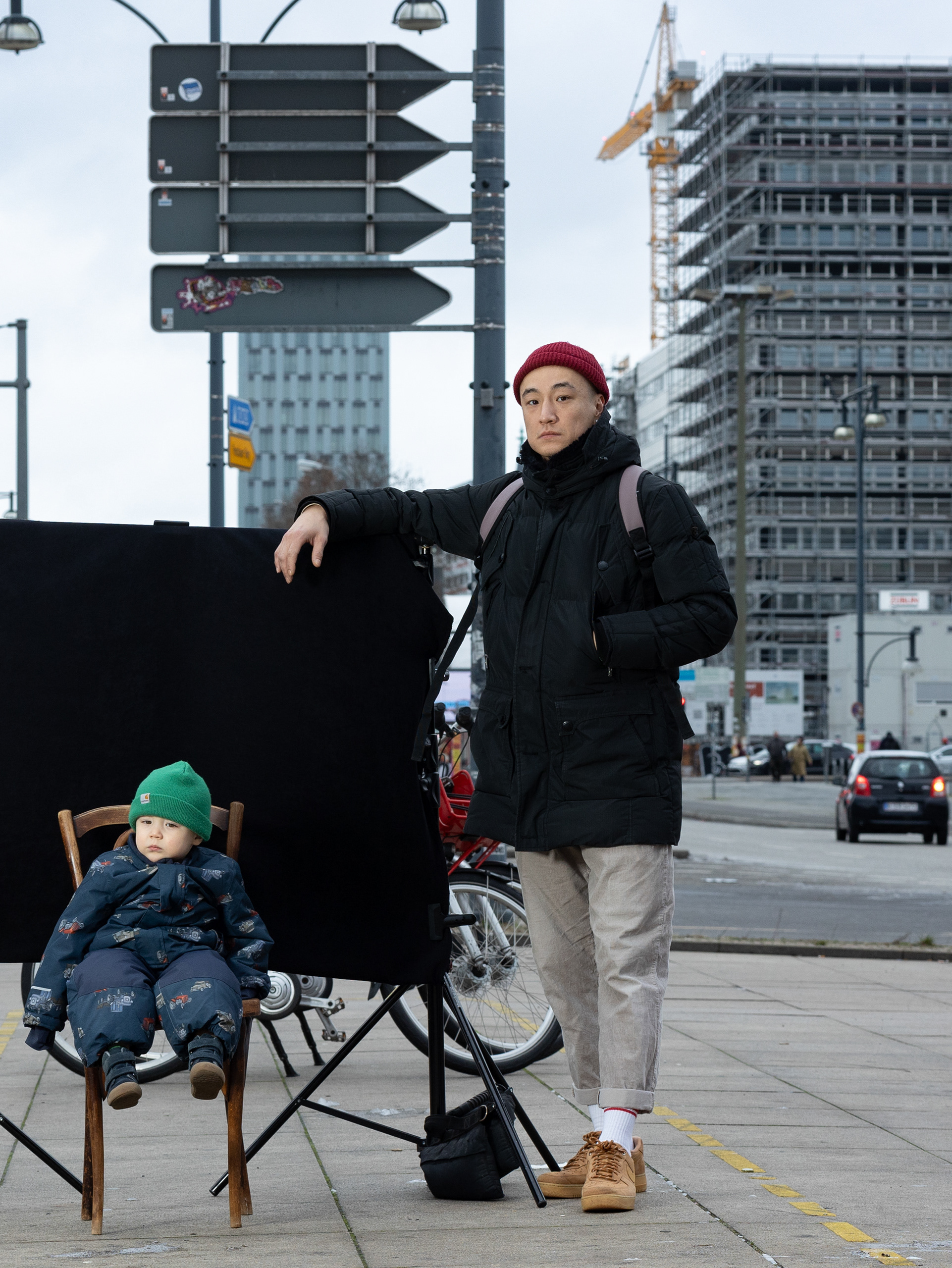
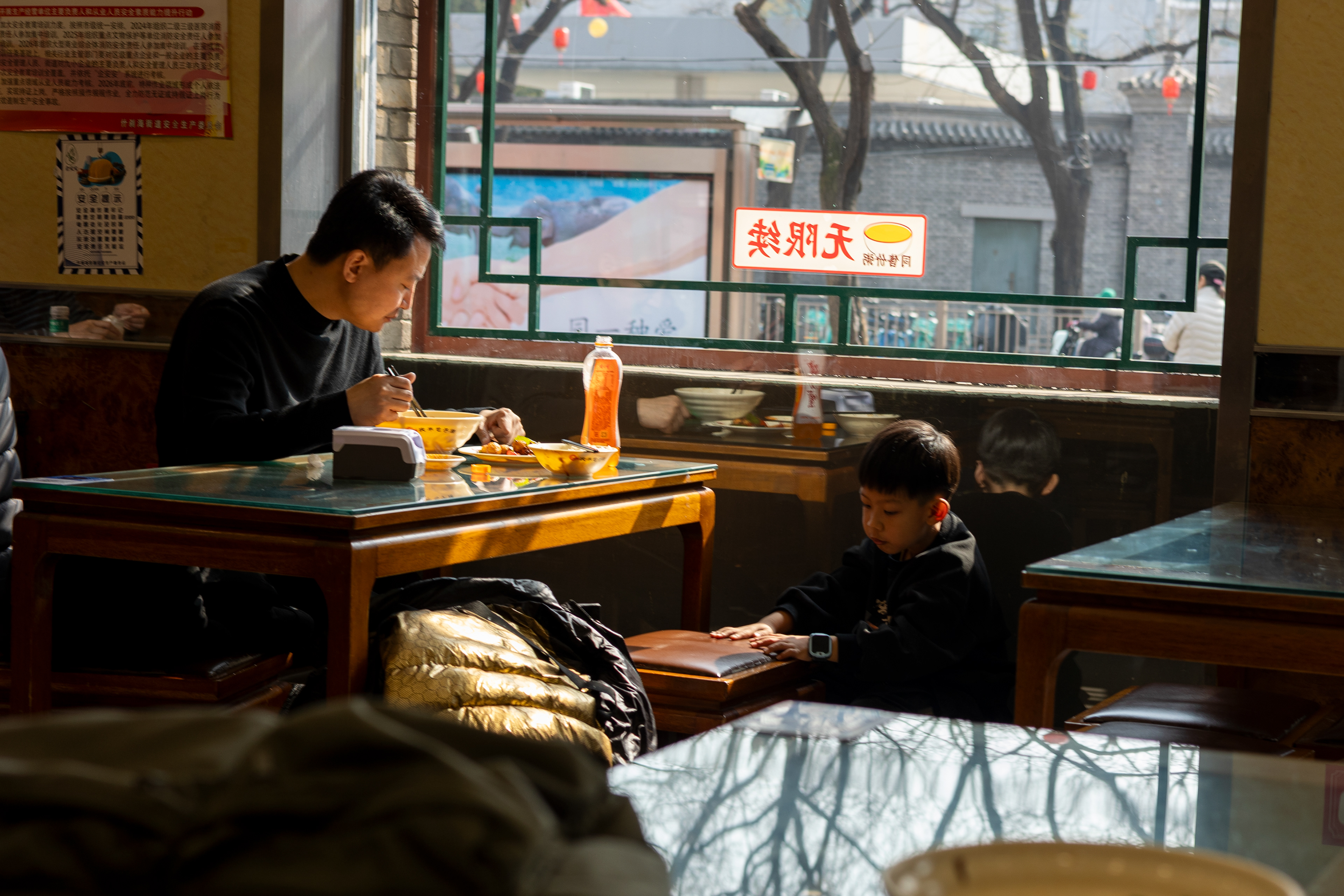
Feeling the sheer size of China's 1.4 billion population is breathtaking. However, it's population is shrinking and will continue to shrink sharply. China’s One-Child Policy (1980–2015) was introduced to curb rapid population growth and it was very effective. "4-2-1" is an often used term to describe the resulting demographic imbalance: one child, two parents, four grandparents. The generation of 独生子女 (“only children”) is a defining social reality in urban China, carrying lasting psychological traces for those who grew up without siblings and their families. At the same time, a deep-rooted preference for sons shaped many lives. The one-child policy contributed not only to a stark gender imbalance, but also to documented cases of discrimination against female infants, including abandonment and infanticide. Beneath the surface of successful demographic engineering lies a history of personal and intergenerational scars that are rarely discussed in China today.
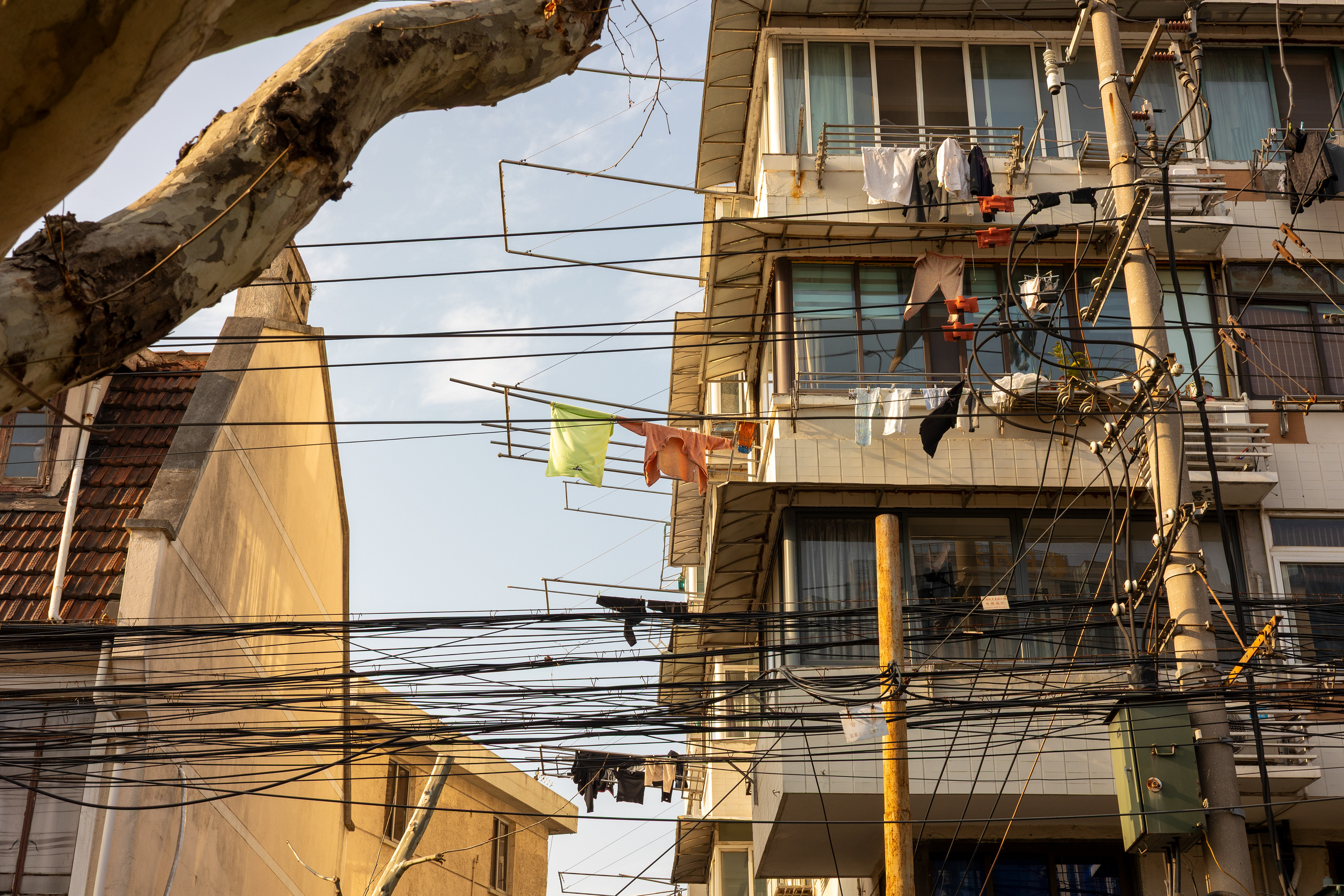
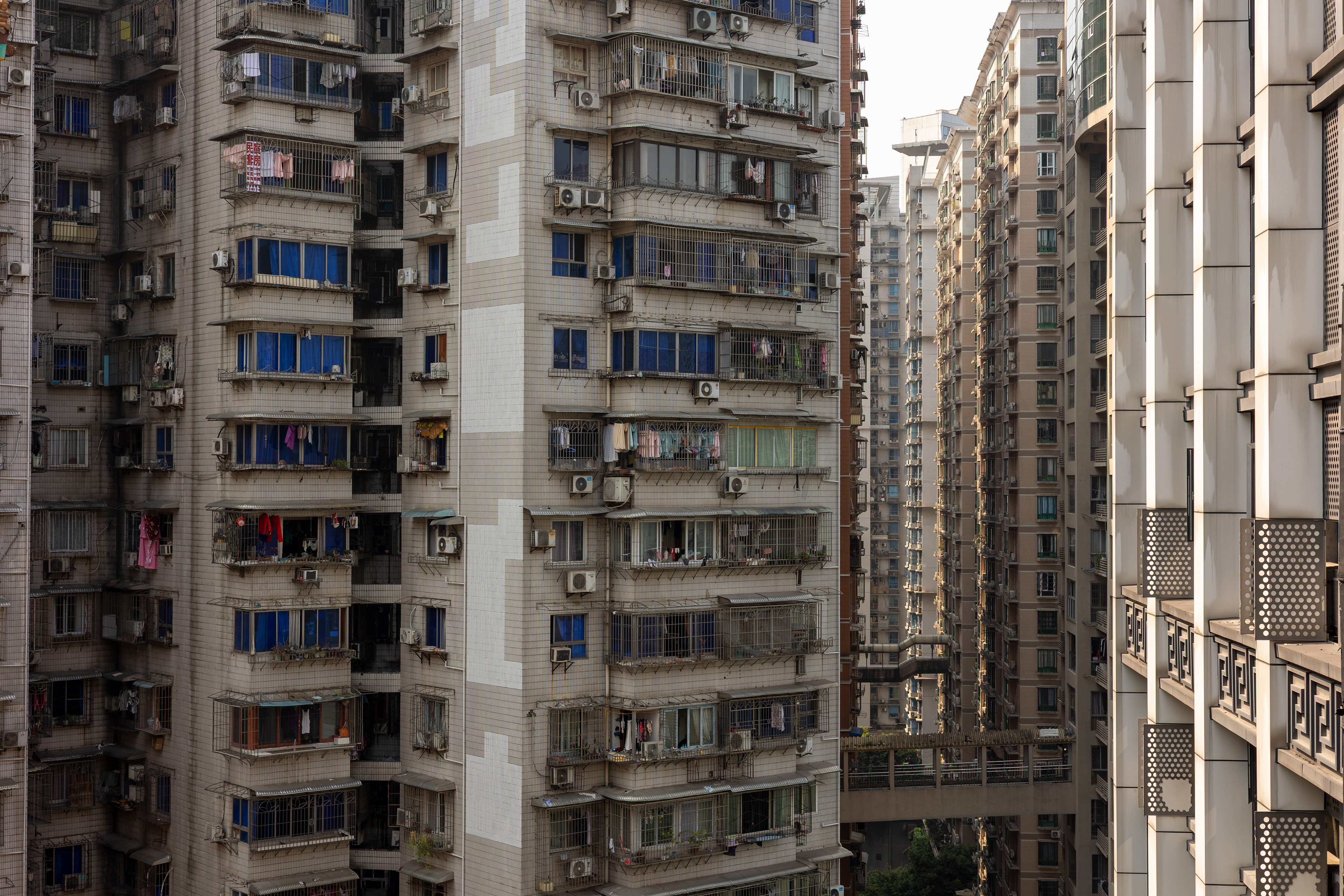
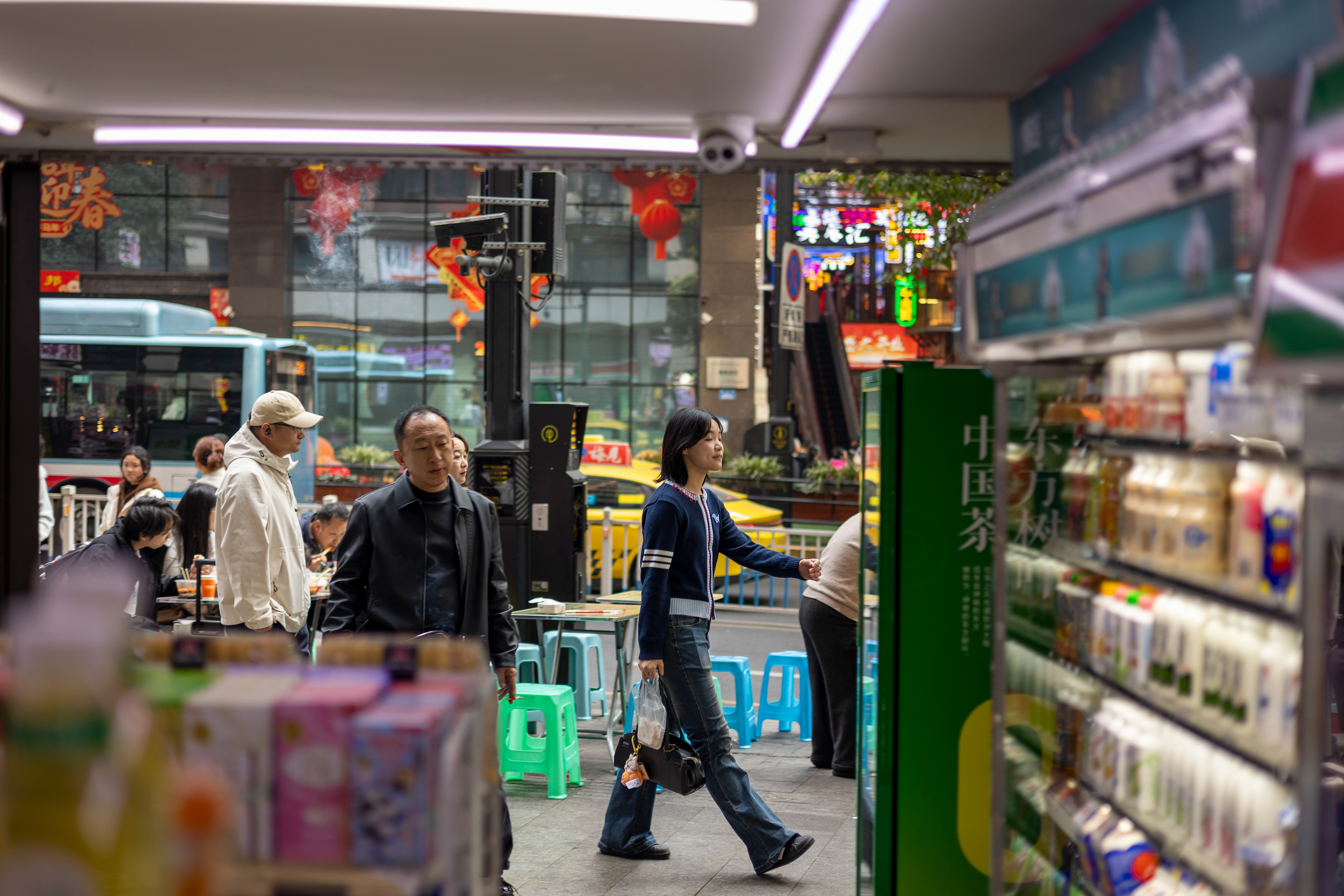
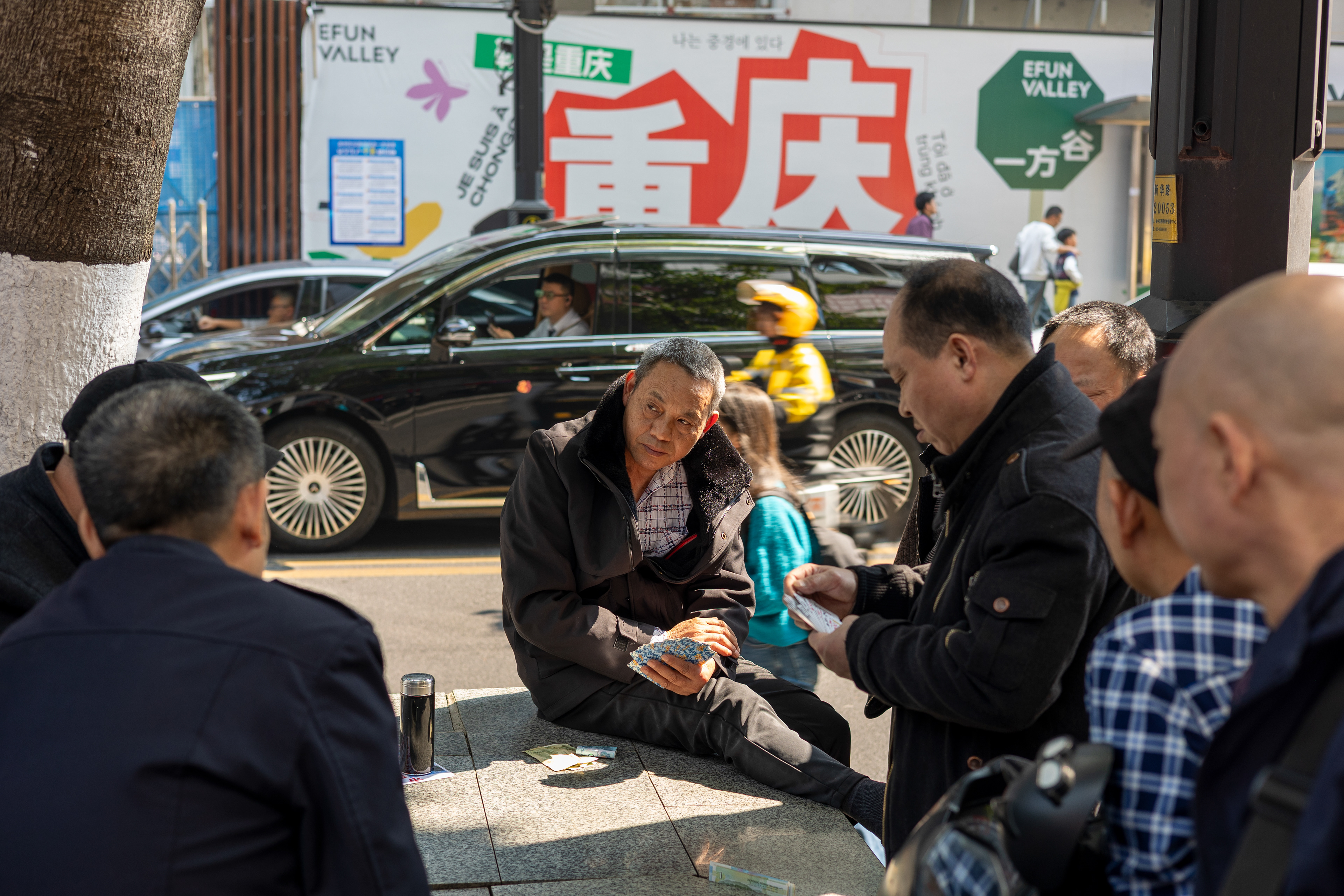
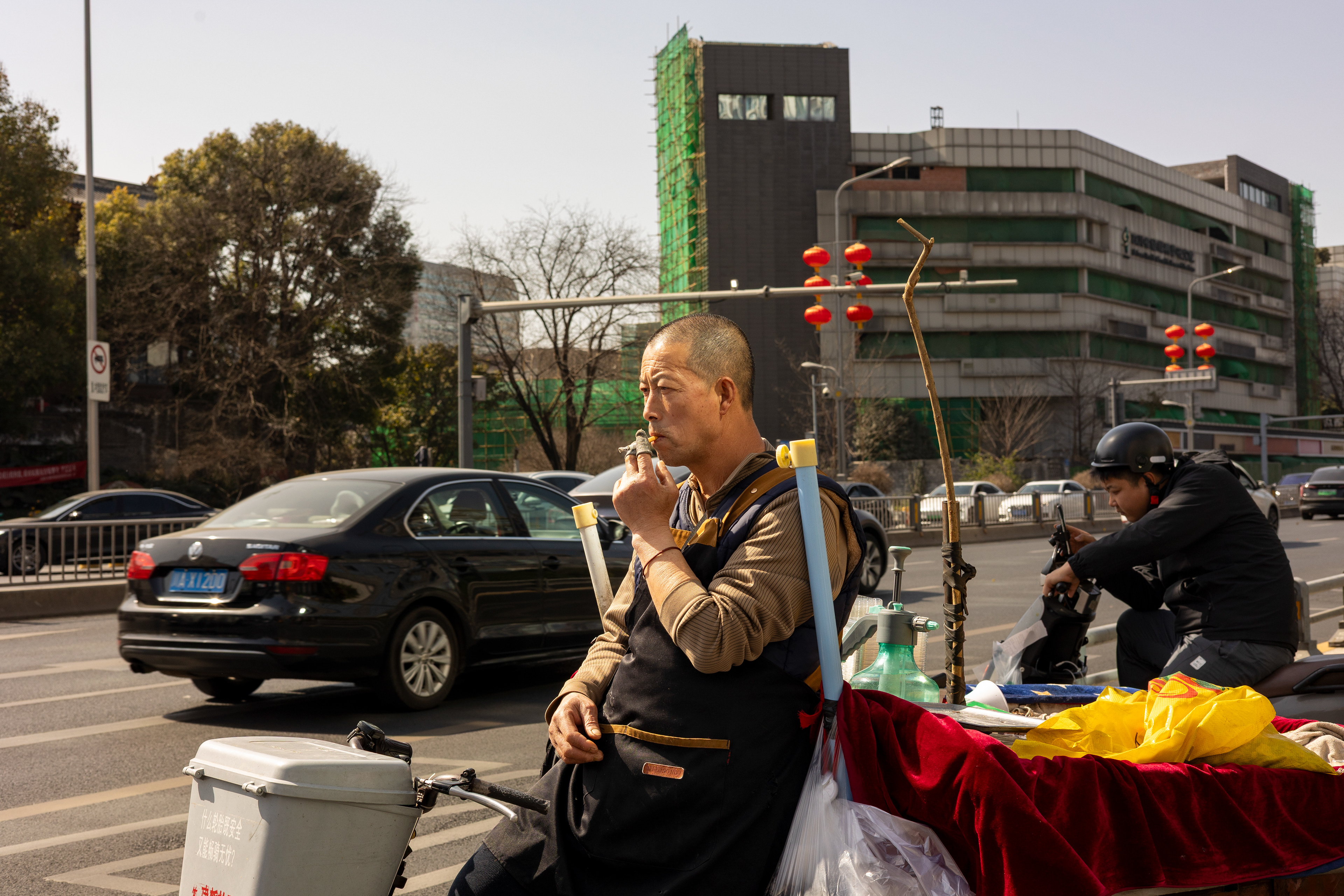
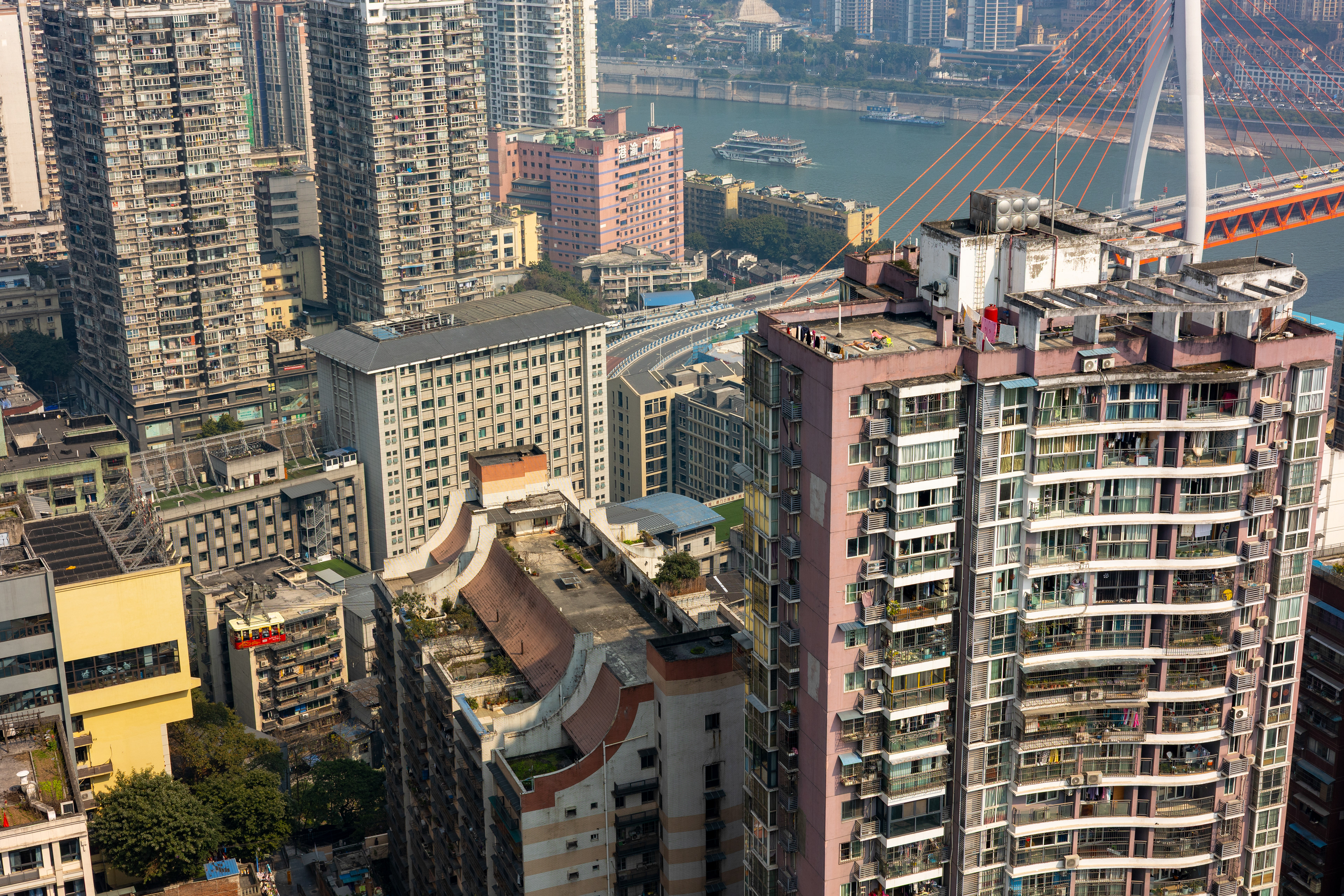
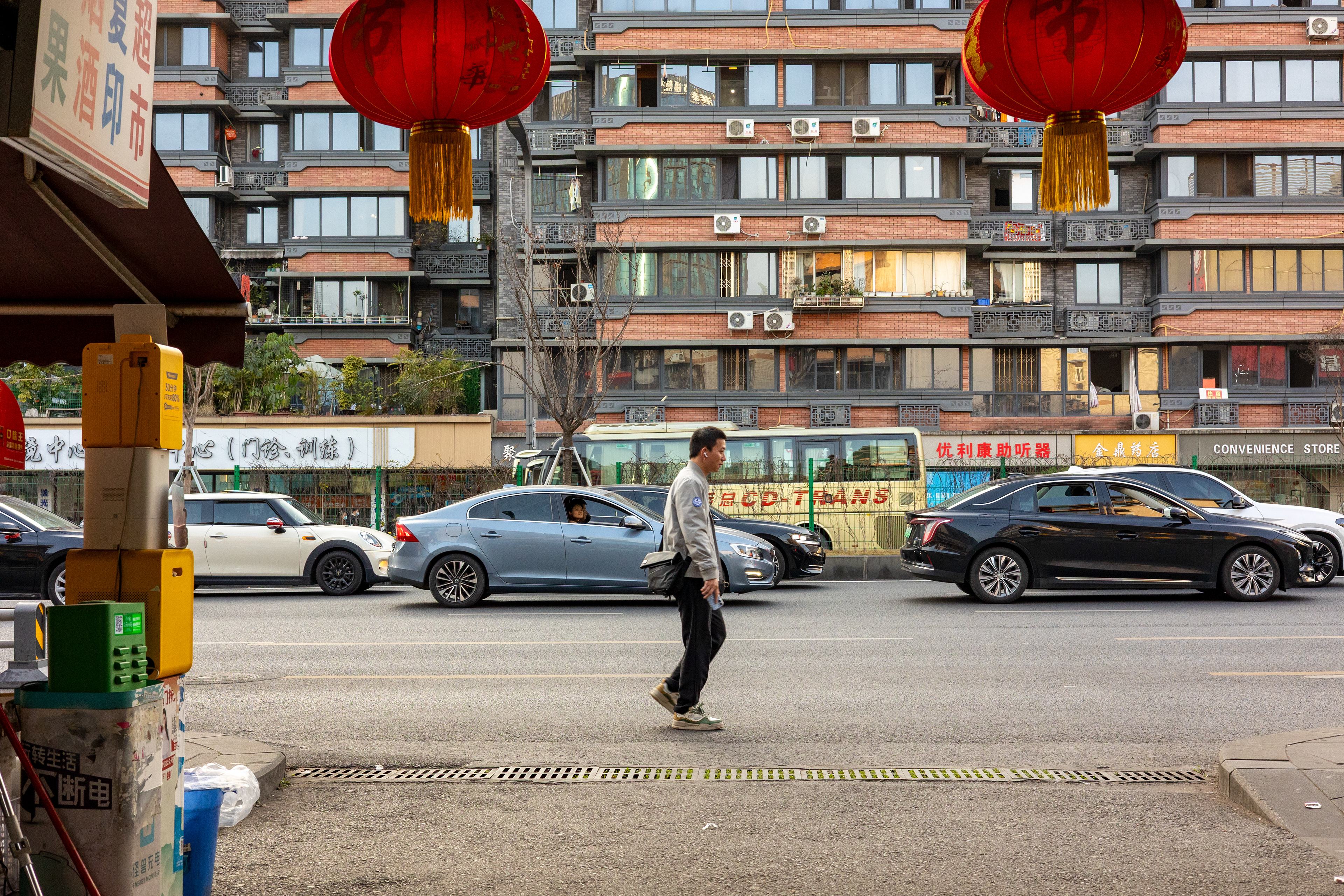
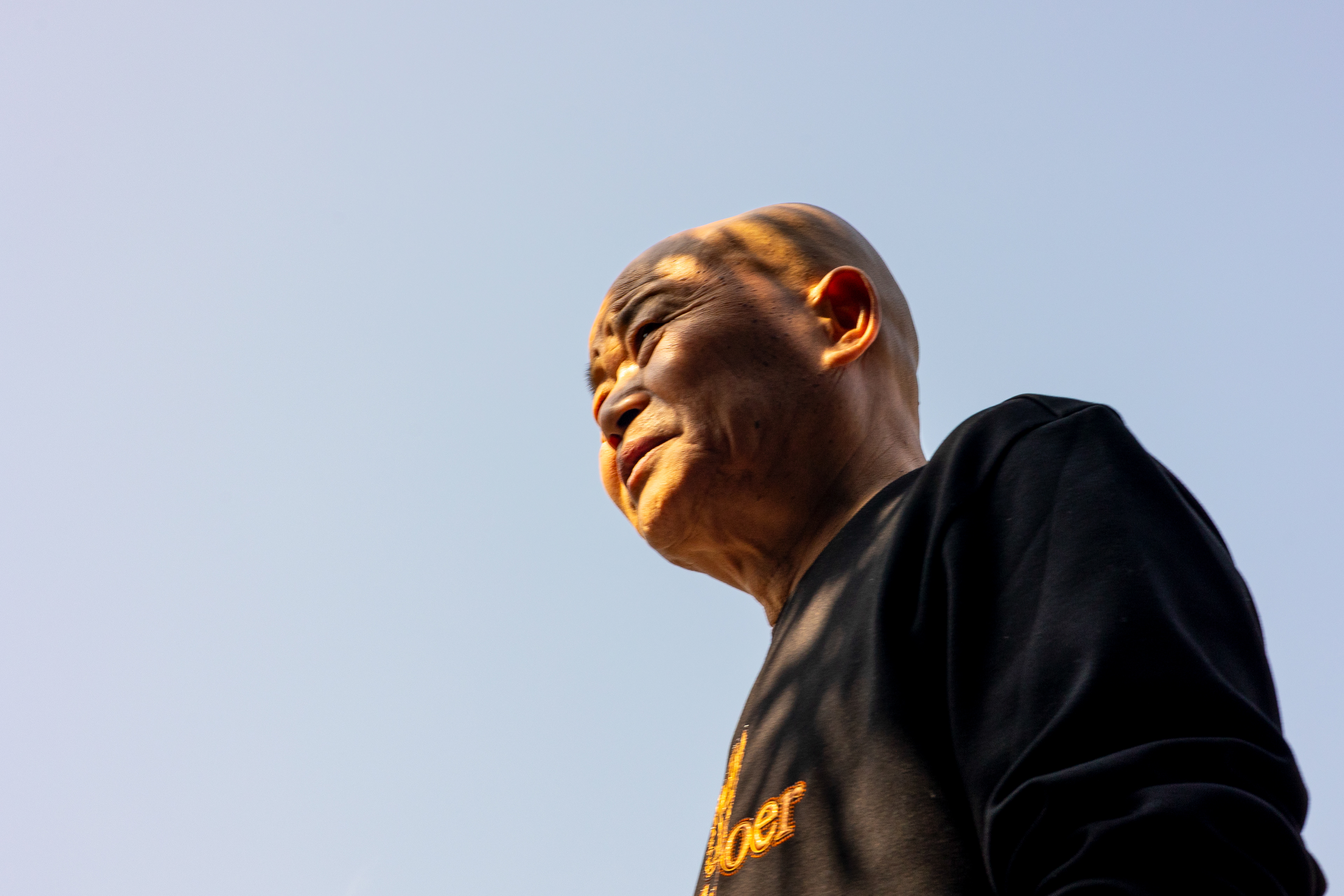
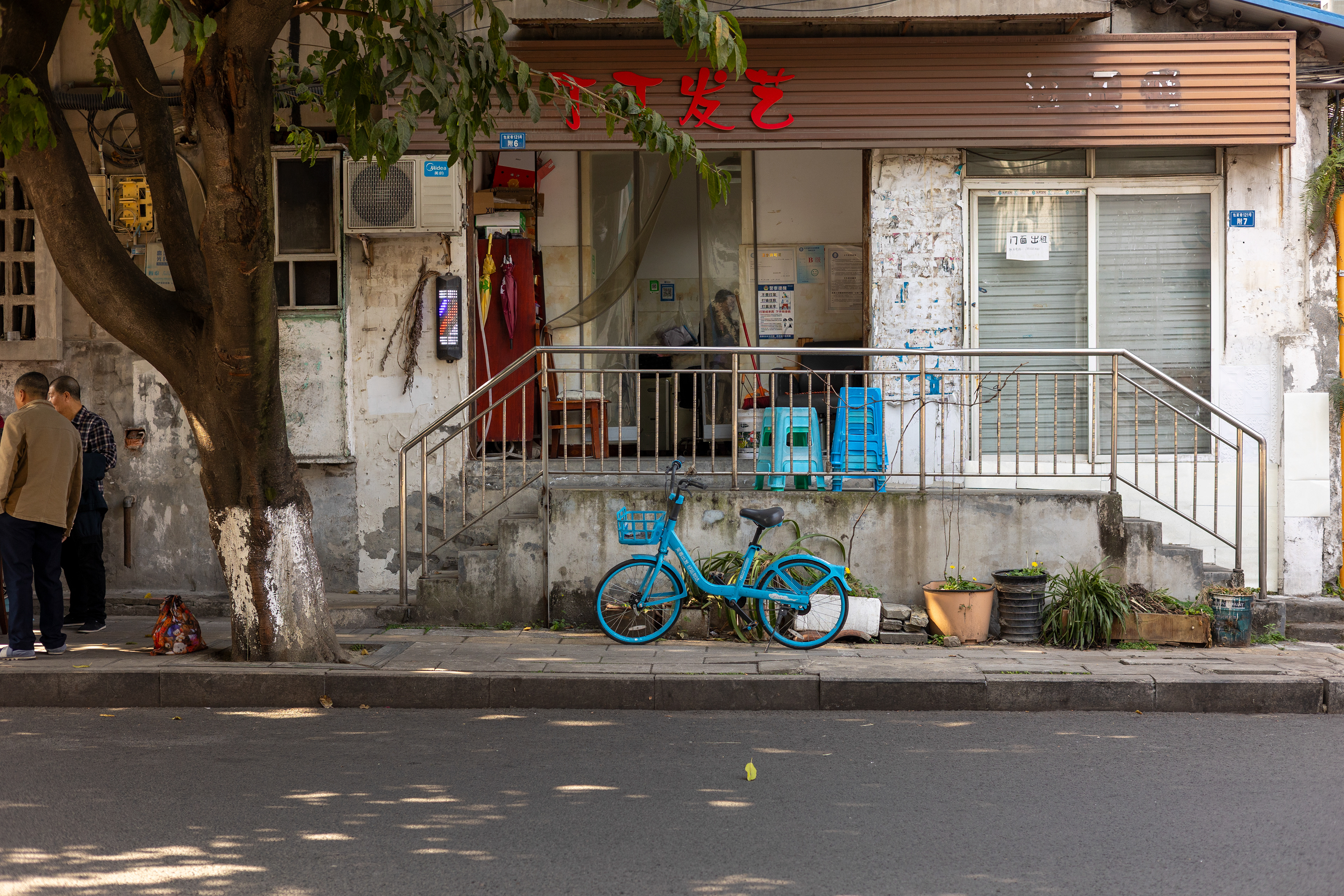
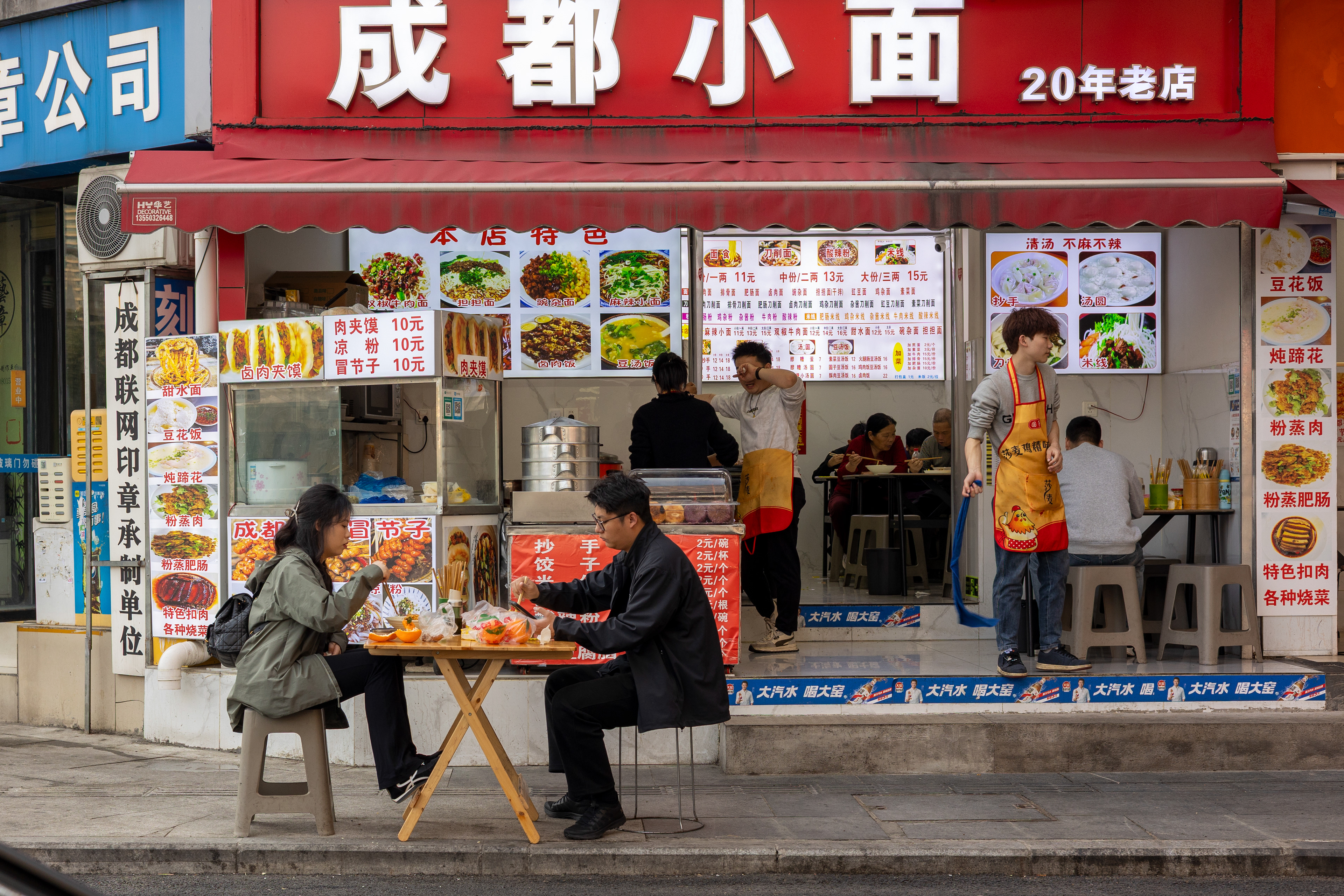
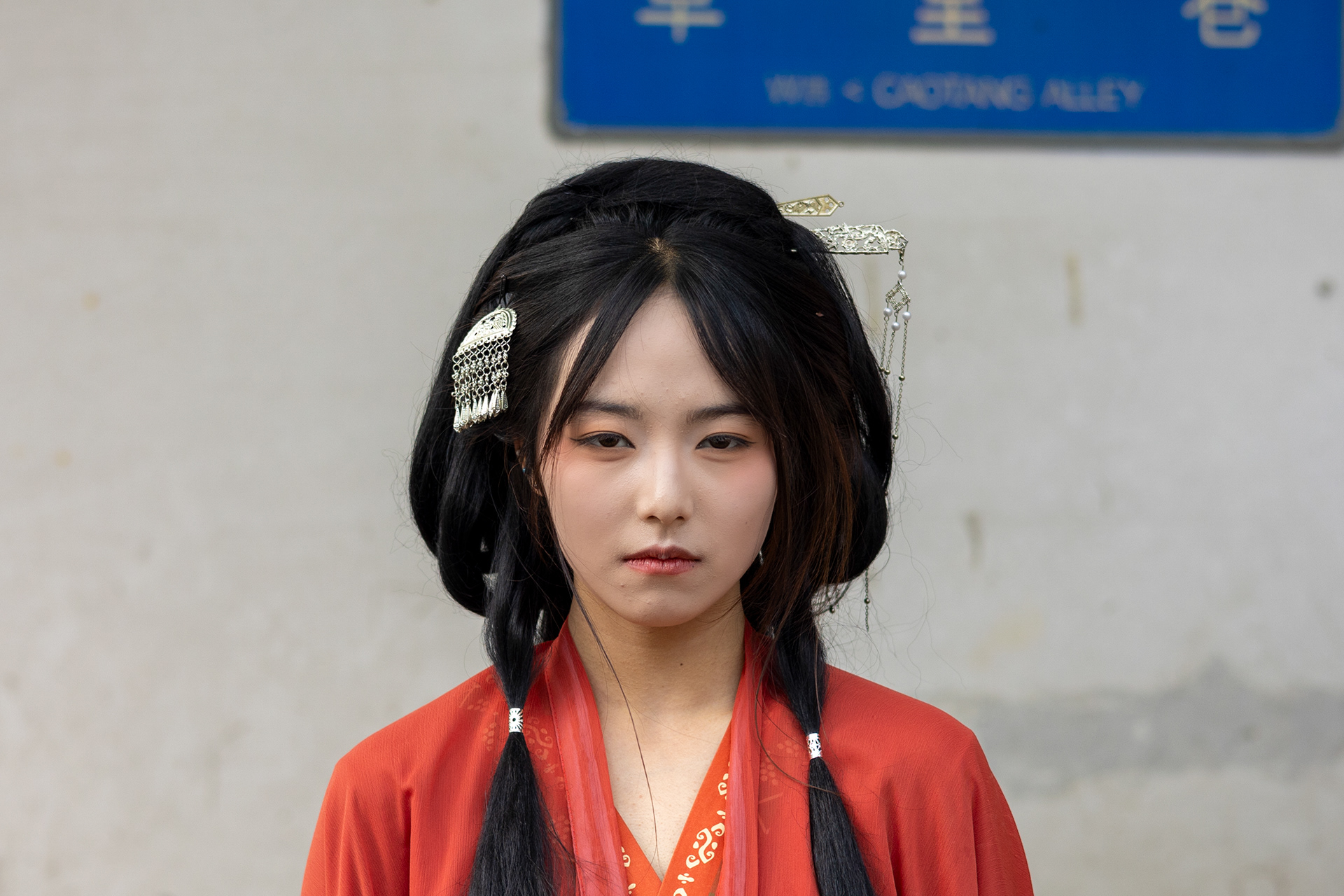
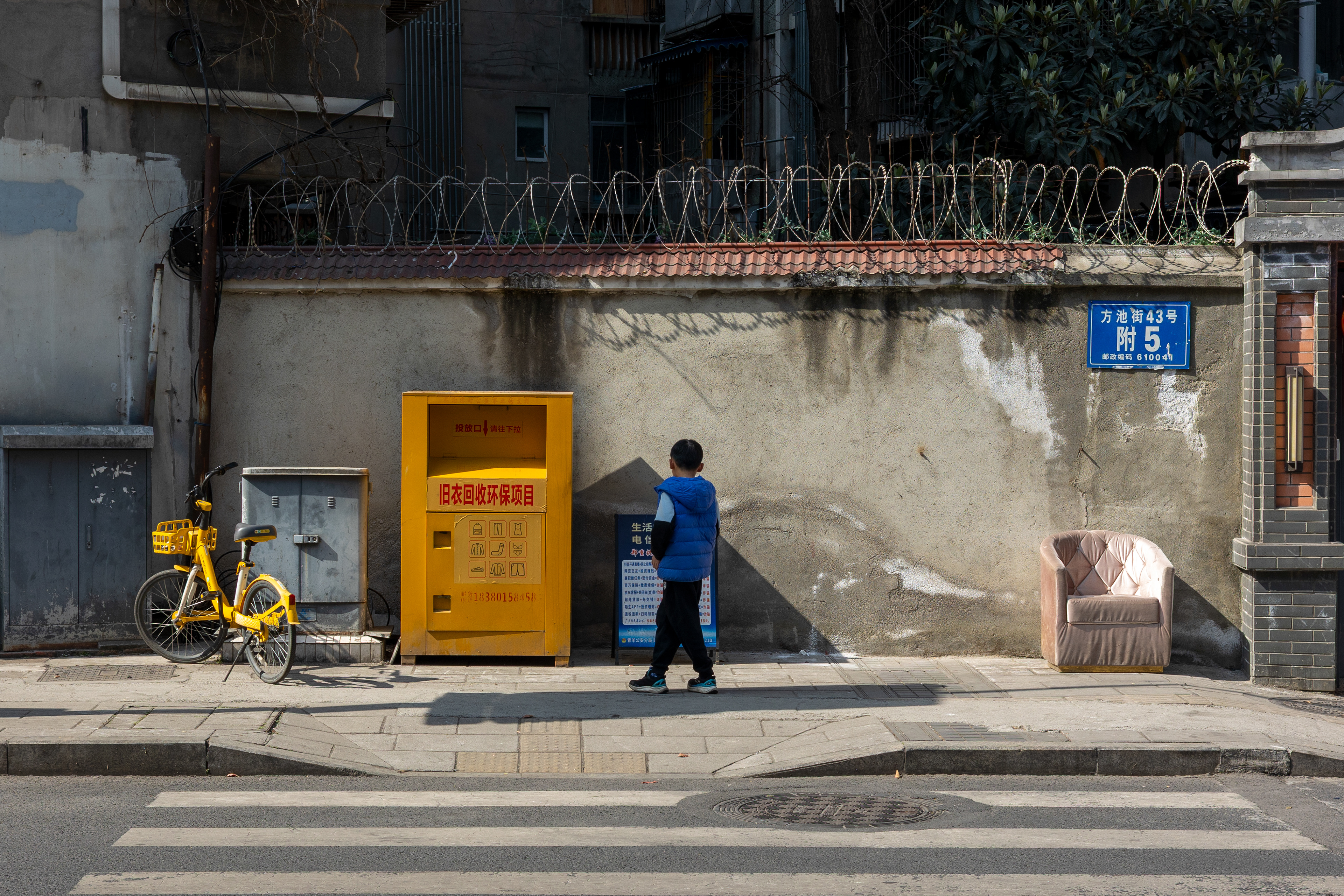
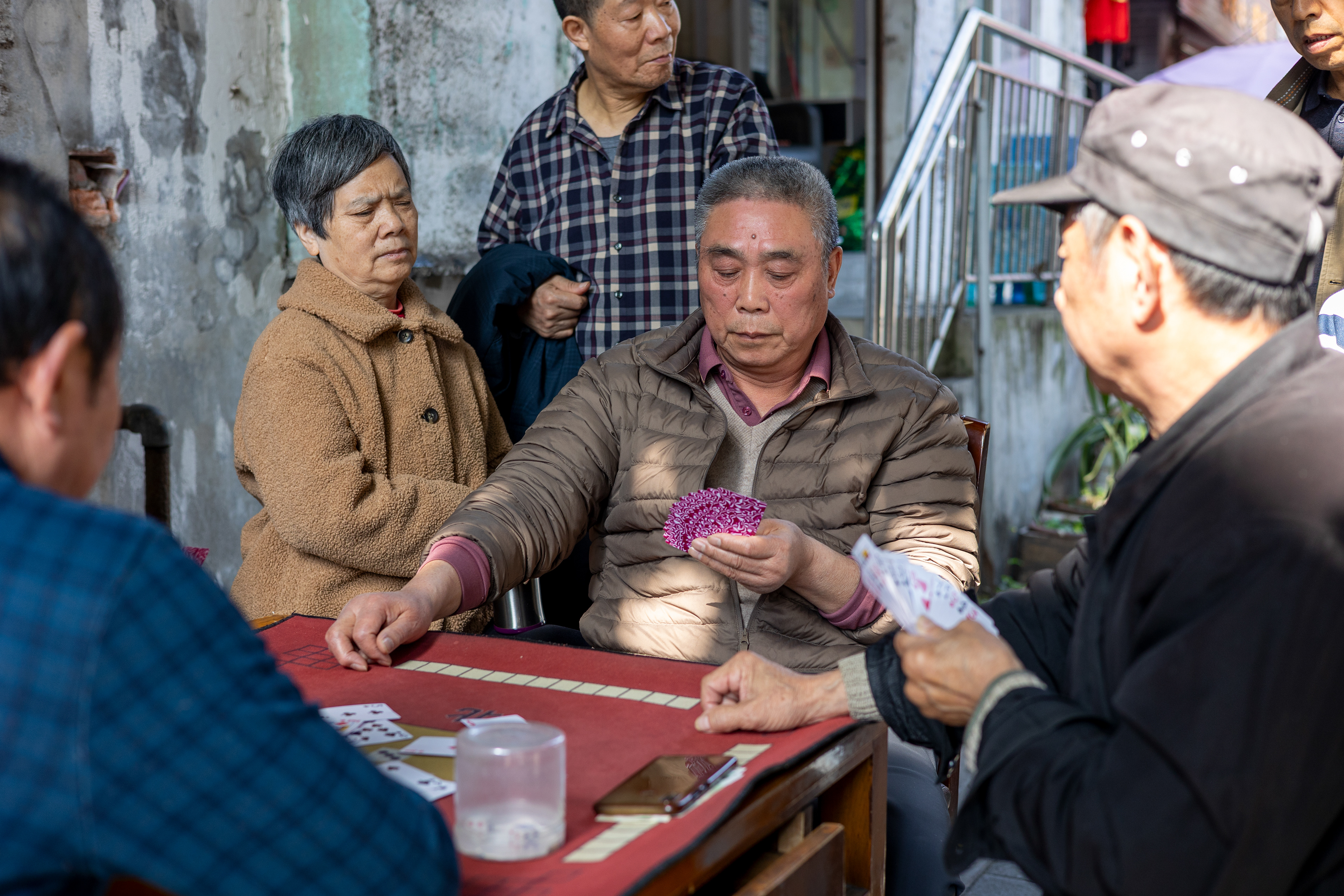
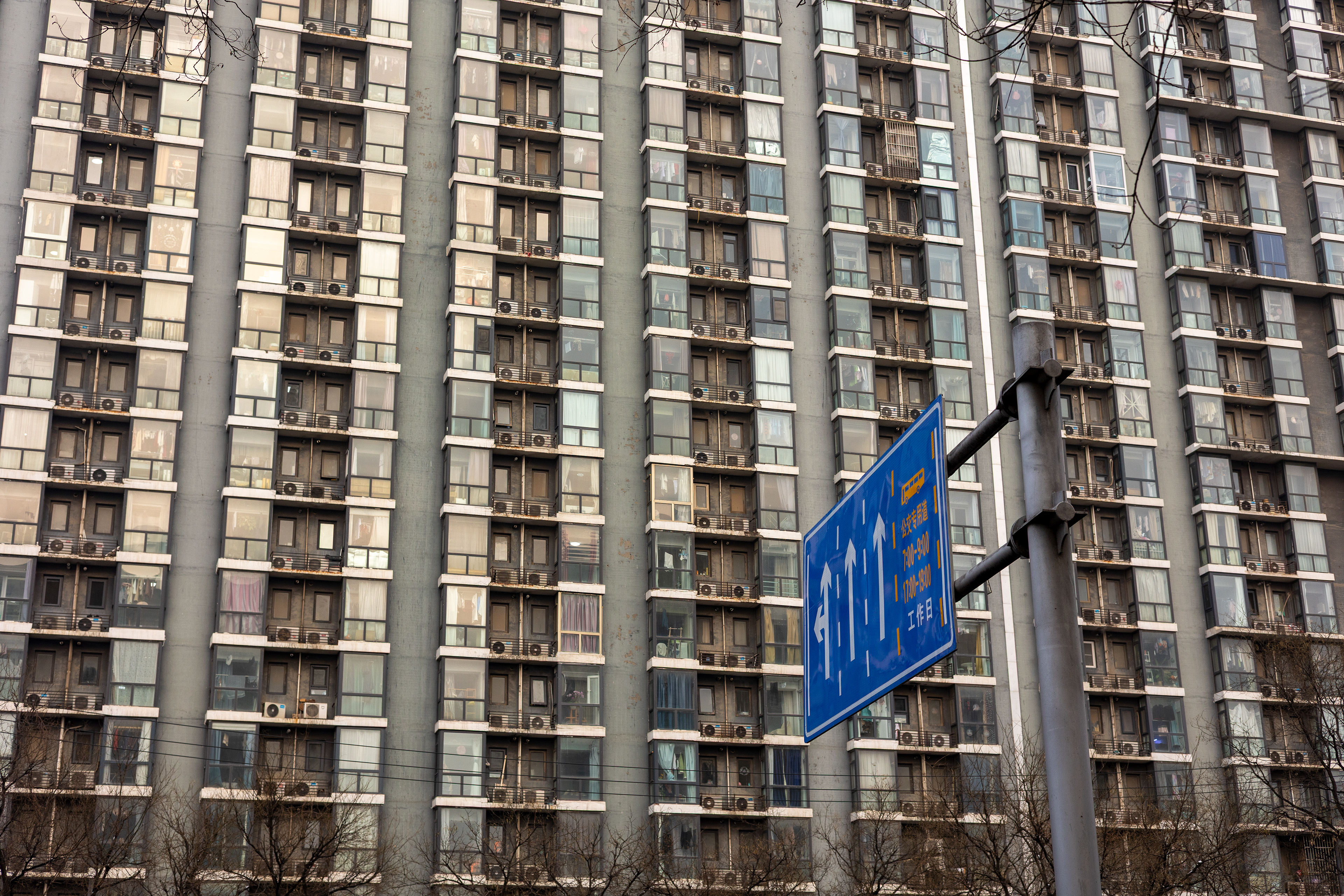
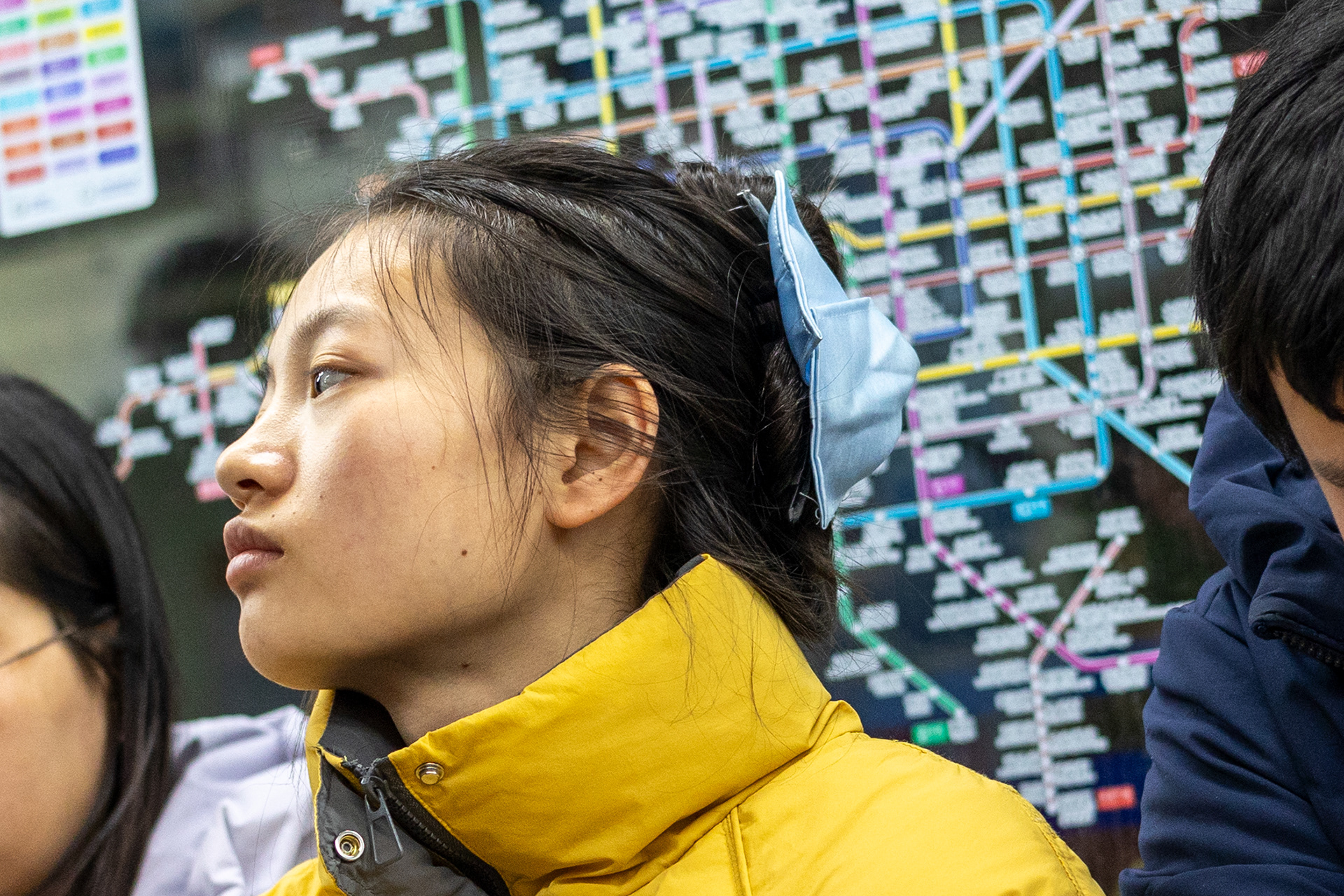
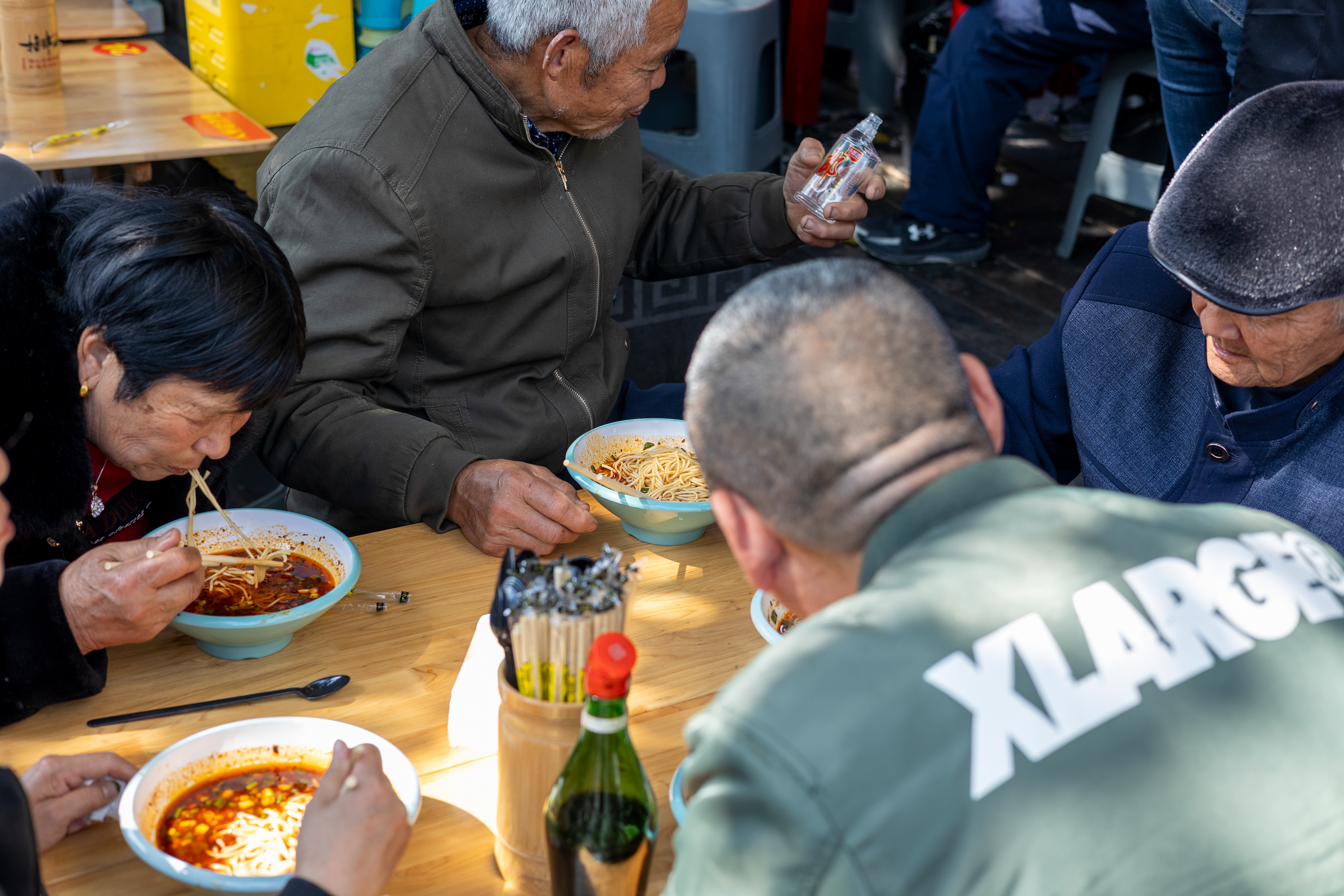
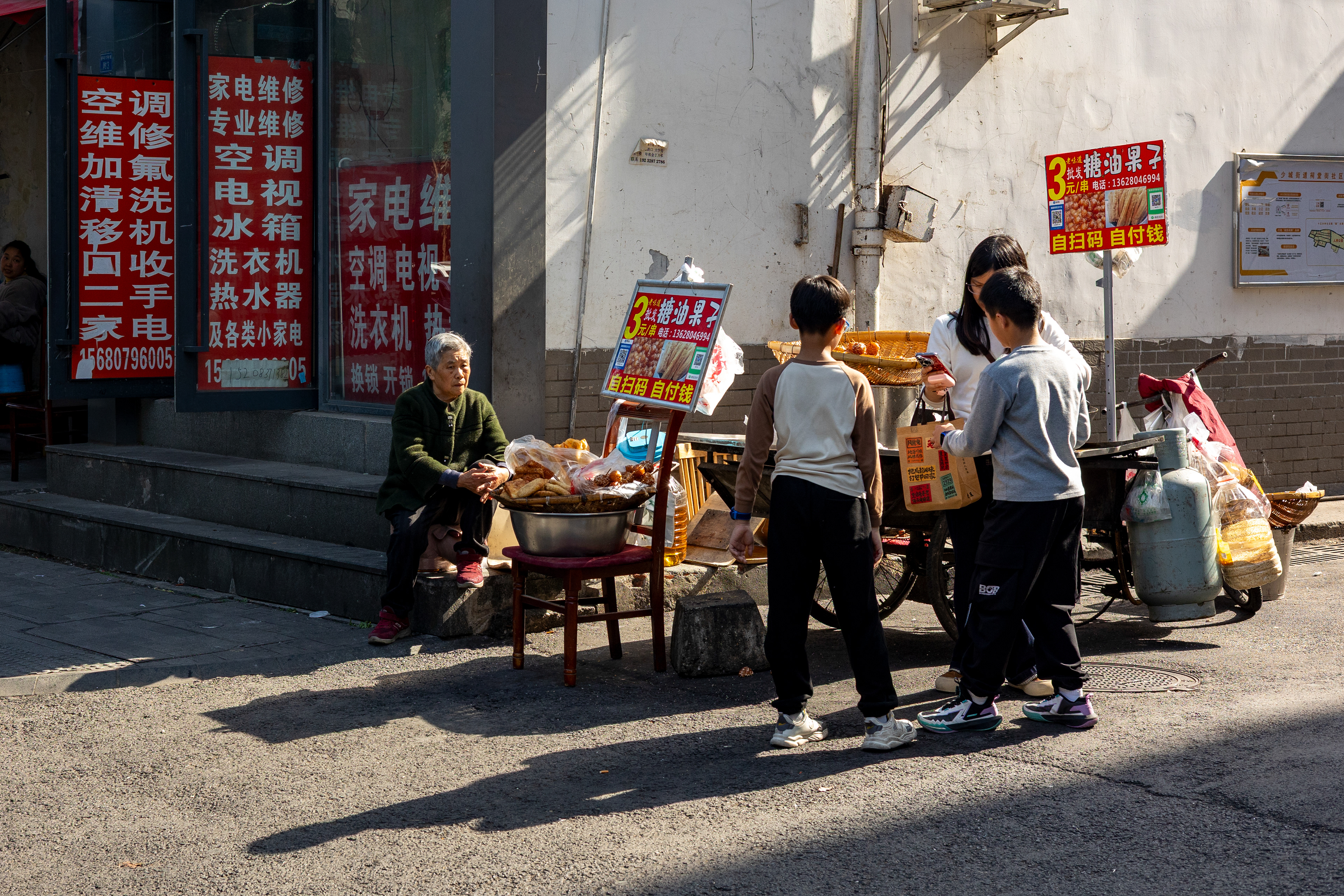
I took the photos above in Shanghai, Chongqing, Chengdu, and Beijing, during February and March 2026.